
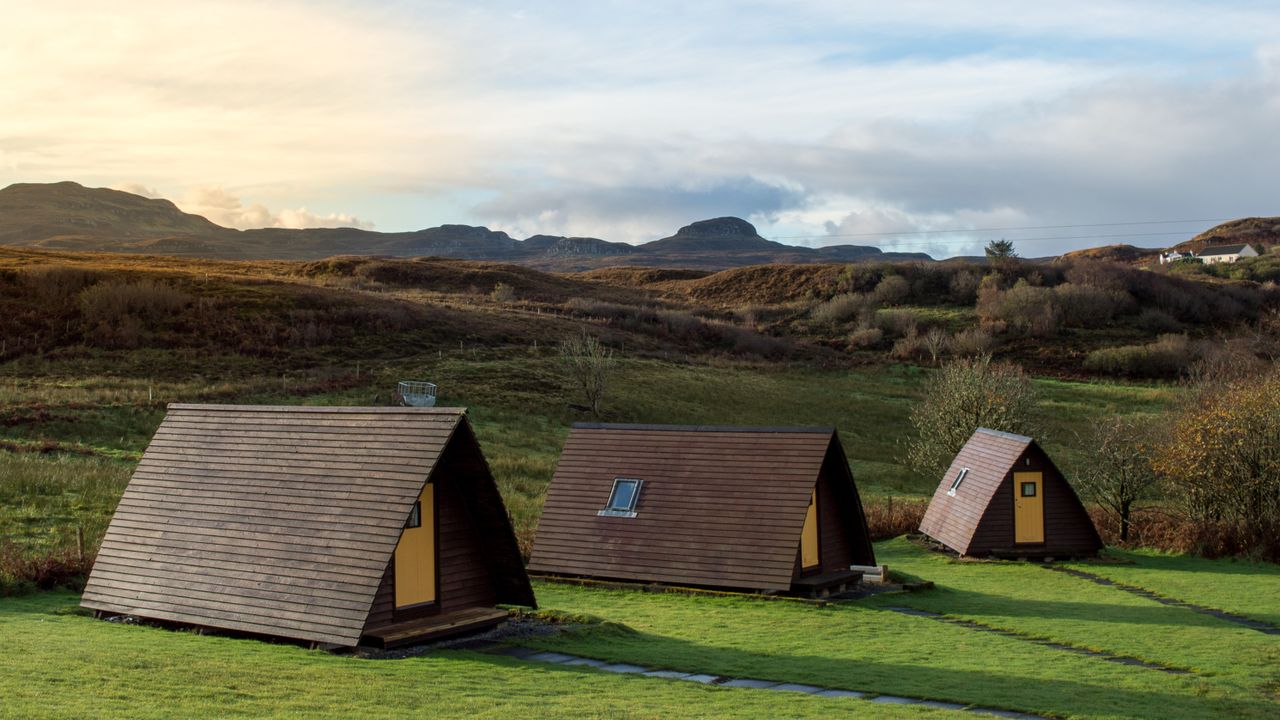
There was a time when a UK break was just that: a break. A few days away, a change of scenery, a pub lunch somewhere with low beams and a dog asleep by the fire. Lately, though, people have started talking differently about leisure property. For some, the idea of a second home is no longer only about escape or status. It now sits alongside pensions, savings and other long-term plans, which says a lot about how blurred the line between lifestyle and finance has become.
This isn’t only a story about wealth. It reflects a wider shift in what people want from their money. After years of economic wobble, many are less interested in abstract promises and more drawn to assets they can use, visit and understand. That helps explain why interest in holiday lodge investment has edged into mainstream conversation, especially among buyers who want something more solid than another line on a statement.
More than a getaway
What makes this trend interesting is the mix of emotion and practicality. A lodge or similar retreat can bring obvious costs and risks, but it also offers something conventional investments do not: lived value.
- A place to enjoy, not just monitor
- A possible income stream, depending on the setup
- A sense of control that paper assets often lack
Of course, none of that makes it simple, and it certainly doesn’t make every opportunity a good one. Running costs, occupancy rates, location and resale demand all matter. But the fact that this conversation is growing says something useful about current priorities. People are not just chasing returns, they are questioning what “return” means in the first place. If an asset can offer time, flexibility and a reason to leave the house on a Friday afternoon, that has a value many spreadsheets struggle to capture.
Photo by Aaron Mridha via pexels.